Most people assume Canada is only for nurses, engineers, or professionals with university degrees and years of specialized credentials. The reality is that Canada’s agricultural sector tells a completely different story. Rural farms across British Columbia, Ontario, Quebec, Alberta, and Saskatchewan are actively hiring foreign workers for full-time and seasonal farming roles right now, and the demand is only growing stronger heading into 2026.
If you are physically fit, willing to work with your hands, and ready to build something real for yourself and your family abroad, Canada farming jobs are one of the most straightforward and legally protected pathways into overseas employment available to Filipinos today.
Why Canada Needs Foreign Farm Workers Right Now
Canada’s agricultural industry is one of the largest and most economically significant sectors in the country, contributing billions of dollars annually to the national economy. Farms across the country produce everything from apples and berries in British Columbia to vegetables and grain crops in the prairies to dairy and maple operations in Quebec and Ontario.
The problem Canada faces is simple. There are not enough local workers willing to fill these roles. Young Canadians gravitate toward urban centers and office-based careers, leaving rural farms consistently understaffed during planting, growing, and harvest seasons throughout the year.
That gap is why the Canadian government created and actively maintains formal programs specifically designed to bring foreign workers into the agricultural sector legally, reliably, and with full labor protections in place. The Seasonal Agricultural Worker Program and the Temporary Foreign Worker Program for agriculture are among the most well-established overseas employment pathways available to Filipino workers anywhere in the world.
Magkano Ang Kita? Salary and Benefits
Farm worker salaries in Canada vary by province, farm type, crop category, and experience level, but here is a realistic picture of what foreign agricultural workers earn across the country:
| Province | Typical Hourly Rate | Monthly Estimate (CAD) |
|---|---|---|
| British Columbia | CAD 17 to CAD 22 | CAD 2,720 to CAD 3,520 |
| Ontario | CAD 16.55 to CAD 20 | CAD 2,648 to CAD 3,200 |
| Quebec | CAD 16.45 to CAD 24 | CAD 2,632 to CAD 3,840 |
| Alberta | CAD 15 to CAD 20 | CAD 2,400 to CAD 3,200 |
Converting the midpoint of that range to Philippine Peso puts your monthly earnings at roughly ₱100,000 to ₱150,000 per month depending on your province and hours worked.
Overtime is available and paid at a premium rate during peak harvest seasons when farms operate extended hours to bring in crops on time. Many Canadian agricultural employers also provide shared accommodation at low or no cost to workers, which means a significant portion of your monthly salary goes directly into savings rather than rent.
Additional benefits commonly offered by Canadian farm employers include health coverage in accordance with provincial labor law, a legal employment contract that protects your rights as a worker, and paid training after arrival so you can start contributing effectively from your very first week on the farm.
Ano Ang Trabaho Every Day?
Canada farming roles are practical, physical, and varied depending on the type of farm and the season you are hired for.
Your daily responsibilities may include harvesting fruits and vegetables by hand across open fields or inside greenhouse facilities, sorting and packing produce for distribution to Canadian markets and export buyers, planting seeds and maintaining irrigation and watering systems across crop areas, cleaning and sanitizing farm equipment and storage facilities, performing basic maintenance and upkeep on farm structures, and supporting greenhouse operations where many Canadian farms now grow produce year-round in climate-controlled environments.
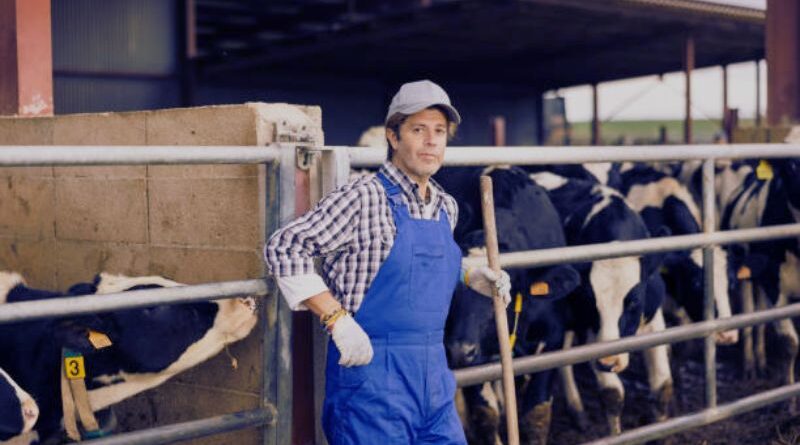
Dairy support roles on Canadian farms involve feeding and tending to cattle, monitoring animal health, supporting milking operations, and maintaining barn and stable cleanliness to strict hygiene standards.
Working hours are typically six to eight hours per day with one scheduled rest day per week. During busy harvest seasons, overtime is frequently available for workers who want to maximize their earnings during peak production periods.
Sino Ang Pwedeng Mag-apply?
Canada’s agricultural job requirements are among the most accessible of any overseas employment category:
You need to be physically fit and in good health, hold a valid passport with sufficient validity to cover your employment contract period, be capable of working outdoors in varying Canadian weather conditions including cold temperatures during autumn harvest seasons, and demonstrate a reliable, team-oriented attitude.
Physical fitness is the most important qualification. Canadian farm work is demanding. You will be on your feet for the majority of your shift, working in open fields or barn environments, and required to lift and carry produce, equipment, and materials throughout the day.
Previous farming, outdoor labor, or physically demanding work experience will strengthen your application and may result in a higher starting wage, but many Canadian agricultural employers explicitly welcome first-time farm workers and provide complete on-arrival training to get new hires operational quickly.
Basic English communication skills are sufficient for most farm roles. Japanese is not required and neither is any other specific language beyond the ability to understand safety instructions and work directions in English.
Visa and Legal Working Arrangements
Para sa mga Filipinong gustong magtrabaho sa Canada through agriculture, ang legal na proseso ay malinaw at structured.
The two primary pathways for foreign agricultural workers entering Canada are the Seasonal Agricultural Worker Program, which covers workers from designated countries for seasonal farm roles of up to eight months, and the Temporary Foreign Worker Program, which covers a broader range of agricultural positions including permanent and full-time roles with specific employers.
Your employer or POEA-licensed recruitment agency will identify the appropriate visa stream for your specific role and walk you through the application process from document preparation through to visa approval and travel arrangements.
Always verify that any agency you work with holds a valid and current POEA license for Canadian placements before submitting a single document or attending any interview. Check the POEA official database directly. Legitimate Canadian agricultural employers and their authorized Philippine recruitment partners never charge workers placement fees. If anyone asks you for upfront payment to secure a Canada farm job, walk away immediately.
Living in Canada as a Farm Worker
Canadian agricultural operations are located in rural areas outside major cities like Toronto, Vancouver, and Montreal. Life in these communities moves at a quieter and more grounded pace, with lower daily living costs compared to urban centers, clean and organized working environments, and strong worker communities where Filipino OFWs who have come before you have already built networks of support and familiarity.
Canada’s rural farming communities are known for being welcoming to agricultural workers who show up, work hard, and integrate respectfully into the local environment. Many Filipino workers who came through agricultural visa programs have gone on to build longer-term lives in Canada through pathways opened by their work history and employer relationships in the sector.
Canada’s labor laws apply fully and equally to foreign agricultural workers, meaning your rights to fair wages, safe working conditions, rest periods, and proper housing standards are legally protected and enforceable from the first day of your employment contract.
Bakit Canada? Bakit Agriculture? Bakit Ngayon?
Maraming dahilan kung bakit ang Canada farming jobs ang isa sa pinaka-matalinong pagpipilian para sa mga Pilipinong OFW ngayon.
The income is strong and consistent. The legal framework protecting foreign agricultural workers is among the most robust in the world. The pathway from a farming visa into longer-term Canadian residency is real and has been traveled successfully by thousands of workers before you. The demand for reliable agricultural labor is not slowing down, it is growing, which means opportunity in this sector will remain strong well beyond 2026.
And unlike many other overseas job categories that require degrees, certifications, or years of documented professional experience, Canada farming jobs ask for something far simpler: the willingness to show up, work hard, and do the job properly every single day.
If you have that, Canada has a place for you.
How to Apply
Prepare a simple, updated CV in English that highlights your physical fitness and any farming, outdoor labor, animal handling, or hands-on work experience you have from the Philippines or elsewhere. Include any equipment operation experience, agricultural training, or relevant certifications if you have them.
Contact a POEA-licensed recruitment agency accredited for Canadian placements, complete their screening and interview requirements, submit all required documents including your passport and any supporting certificates, and follow the visa process your employer or agency outlines step by step.
Make sure every detail in your application is accurate and complete to avoid unnecessary delays in processing and approval.
Canada Is Not a Dream. It Is a Decision.
Sa lahat ng OFW destinations na available ngayon, Canada consistently ranks among the most desirable, most legally protected, and most life-changing choices a Filipino worker can make.
Strong wages. Legal visa pathways. Employer-provided housing. Full labor law protections. A growing agricultural sector that actively needs you. And a country with one of the most respected immigration systems in the world for workers who build their track record on Canadian soil.
2026 is shaping up to be one of the strongest years for Canadian agricultural hiring on record. The window is open wide right now.
Share this with someone who has been quietly dreaming about Canada but did not know where to start. Baka ito na ang unang hakbang na kailangan nila.